
2026-08-17
Ujjayi Pranayama: The Victorious Breath
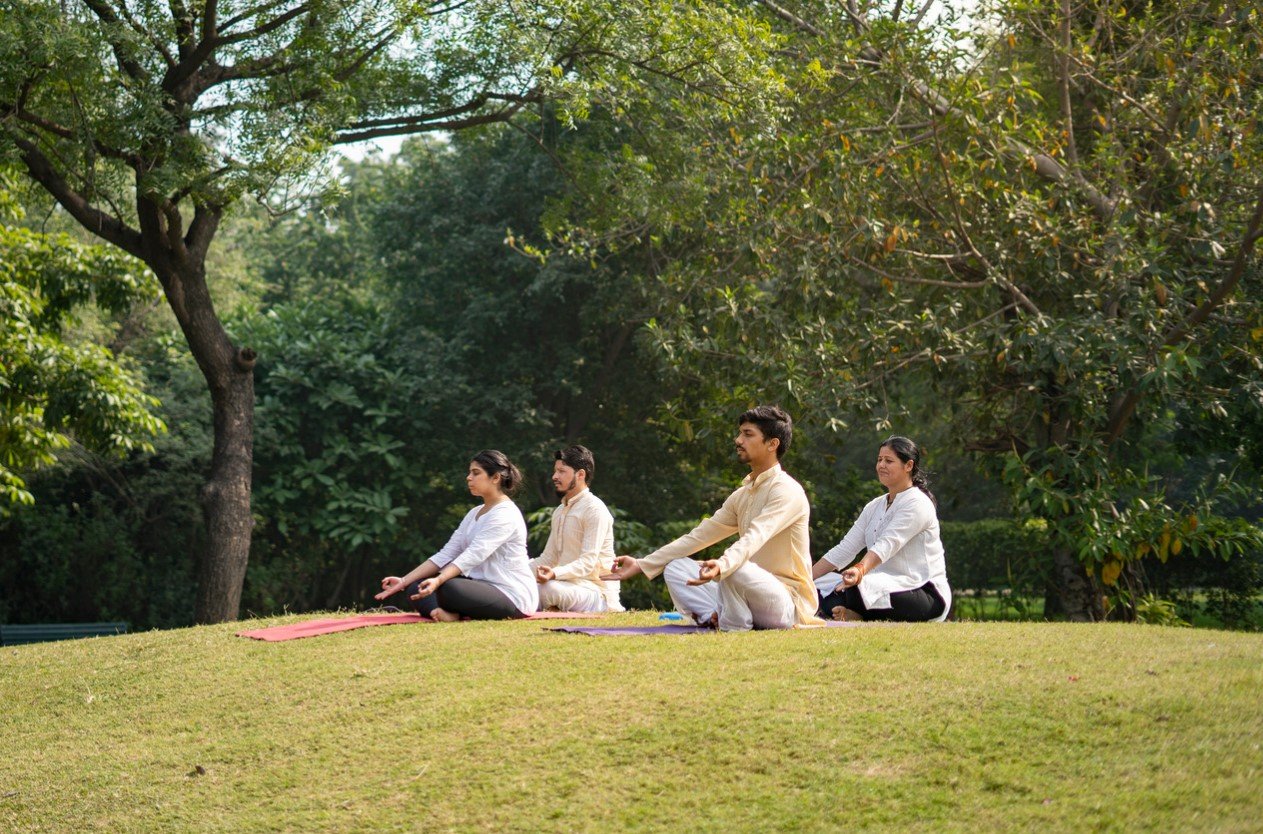
In Sanskrit, Ujjayi means victorious, not a victory of power, but the quiet, steady triumph of awareness over distraction. To practice it, you breathe in and out through the nose while gently constricting the back of the throat, producing a soft, whispering sound, something like the ocean's hum inside a shell. The key is subtlety: the sound should never be harsh or forced, closer to a breeze through pine trees than an effortful rasp.
Why Practice Ujjayi
If your heart tends to race in a strong Vinyasa or your thoughts scatter during a long hold, Ujjayi is an anchor. It calms the nervous system by slowing the breath and gently engaging the vagus nerve, steadies the mind by giving it a soft, oceanic sound to focus on, and in flowing practices like Vinyasa or Ashtanga, it links movement and breath so energy stays even rather than spiking and crashing. The subtle friction in the throat also builds a sense of inner warmth that supports stamina.
How to Practice
- Sit tall or lie down comfortably, jaw and shoulders relaxed.
- Inhale naturally through the nose.
- As you exhale, gently contract the back of the throat as if softly whispering "haa" with the mouth open, notice where that constriction happens.
- Close the mouth and repeat the same throat action while breathing only through the nose. You should hear a soft, wave-like sound.
- Keep the breath even, smooth and quiet throughout.
Common Mistakes
Too loud: the sound should be audible to you, not the whole room. Throat tension: the narrowing happens inside, not by gripping the neck muscles from outside. Mouth breathing: once you've located the sensation, move fully to nasal breathing, which preserves the effect. Over-effort: Ujjayi works better as listening than as control.
Where the Science and the Tradition Meet
Slow, conscious breathing of this kind is associated with increased heart rate variability, a marker of nervous system balance, along with improved focus and reduced anxiety, echoing what yogis have described in this practice for a very long time.
Ujjayi is taught as a foundation of pranayama in our 100-Hour, 200-Hour and 300-Hour Yoga Teacher Trainings. See also Bhramari, the humming bee breath.