
2026-08-17
Bhramari Pranayama: The Humming Bee Breath
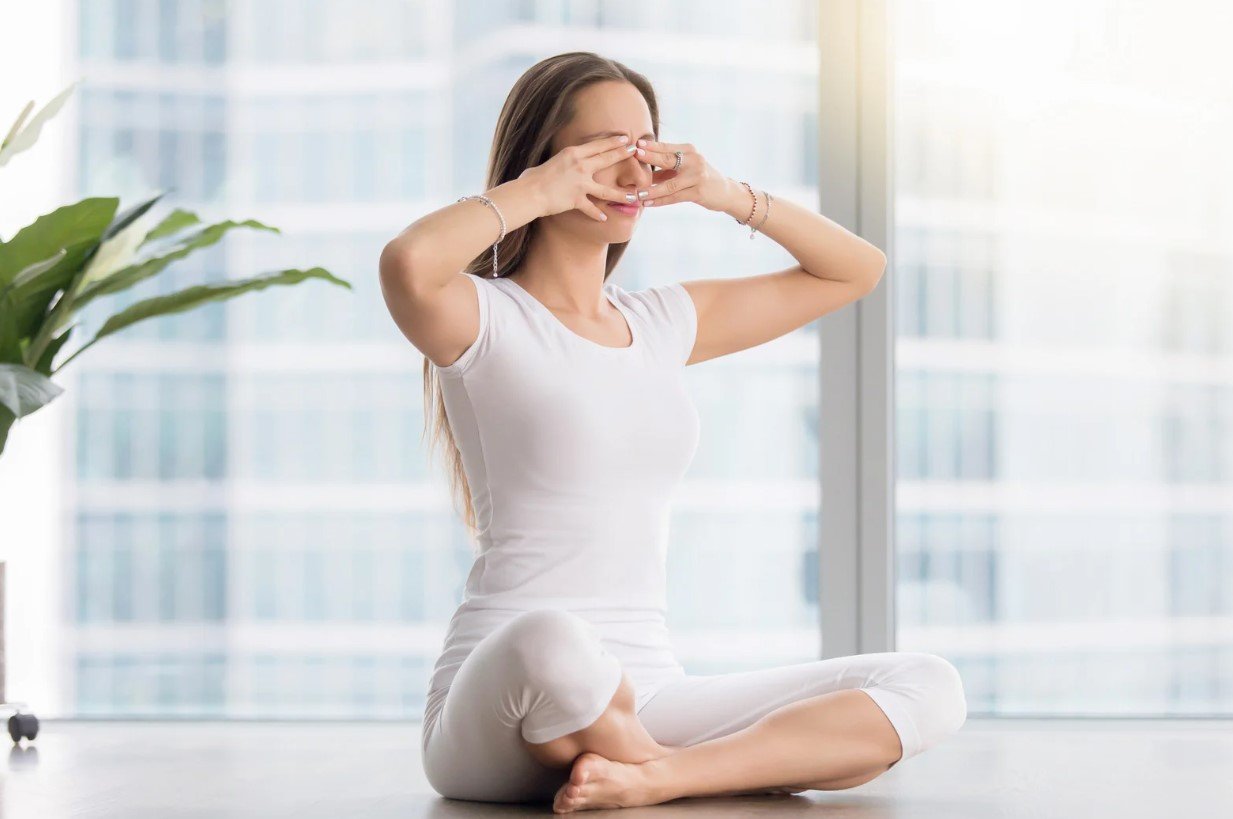
In Sanskrit, bhramara means bee. Bhramari Pranayama asks you to breathe like one: a slow inhale through the nose, followed by a humming exhale. There is no counting or holding to a precise ratio, only listening, the sound becomes the anchor, and the breath steadies on its own. Unlike the heat-building practices, Bhramari cools the nervous system, which is why it suits anyone who feels frazzled after work or overstimulated by screens.
How to Practice
- Sit cross-legged on the mat or upright in a chair, spine long but relaxed.
- Close the eyes. Optionally, rest the thumbs gently over the ear flaps, so the hum is easier to feel.
- Inhale softly through the nose.
- Exhale with a gentle hum, letting the sound roll out rather than pushing it. Feel it in the throat, the chest, even the cheekbones.
- Repeat five to ten rounds, then sit in silence and notice how the vibration lingers.
Why the Hum Works
The humming sound stimulates the vagus nerve, the main channel of the parasympathetic nervous system, which governs the body's rest-and-digest state. Heart rate slows, blood pressure eases and tension dissolves. Some research also links this kind of slow, humming exhalation to increased nasal nitric oxide and improved airflow, along with lower cortisol and better sleep. In the yogic view, the vibration is said to clear the heart (Anahata) and third-eye (Ajna) centers, associated with emotion and insight.
When to Practice
Three to five minutes in the morning sets a calm tone for the day. A short round at midday resets attention after long screen time. Ten minutes before bed helps the body settle for sleep. Avoid practicing right after a large meal, and skip closing the ears if you have an ear infection, otherwise it is gentle enough for almost anyone.
A Version for Busy Days
If you don't have ten minutes: pause wherever you are, inhale through the nose, exhale with a quiet hum for a single breath, and notice the shoulders drop. Even two breaths can interrupt a stress spiral.
Bhramari and the wider pranayama curriculum are taught in our 200-Hour and 300-Hour Yoga Teacher Trainings. See also Sheetali and Sheetkari Pranayama for another calming, cooling practice.