
2026-08-17
Pawanmuktasana Series Part 1: Anti-Rheumatic Yoga for Joint Health
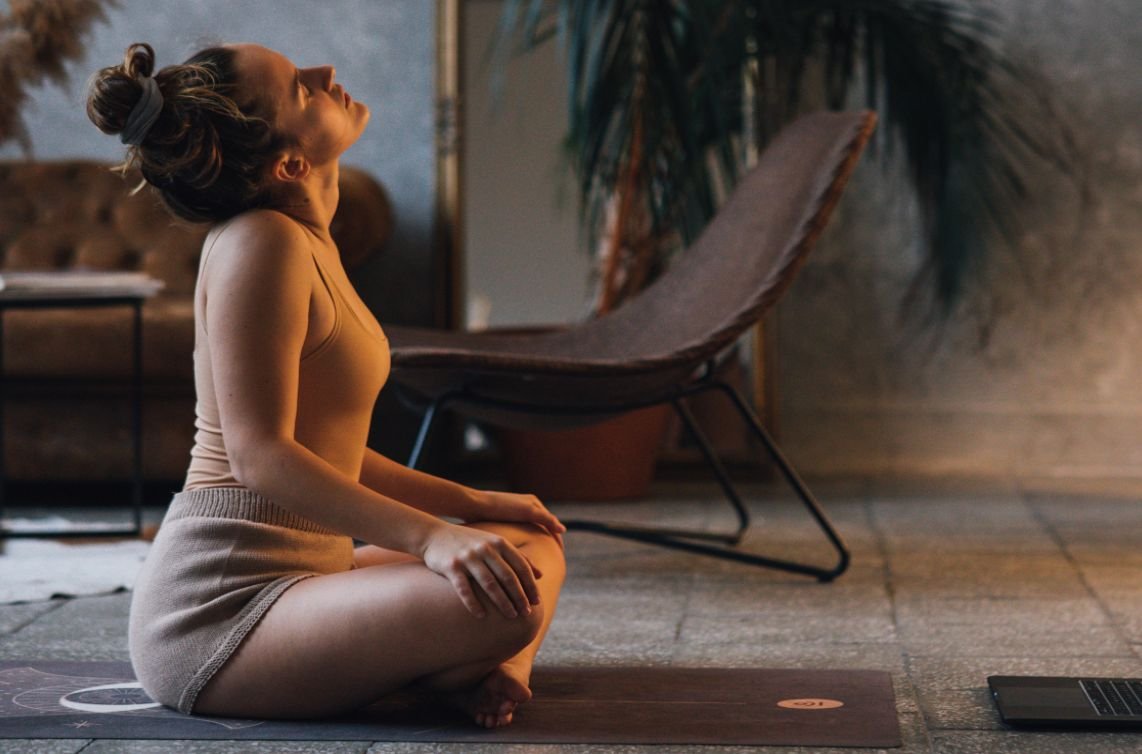
A Gentle Beginning
Some mornings, my body feels like it belongs to someone older than me. Knees that creak, wrists that ache from typing, a neck that seems to carry yesterday's stress. The first time my teacher guided me through the Pawanmuktasana Series, I remember thinking, is this really yoga? Just wiggling toes, circling ankles, bending knees slowly? It felt almost silly.
This practice sits in the same library as a gentle guide to the Pawanmuktasana series.
But ten minutes in, something shifted. My ankles popped, so loud it startled the neighbor's dog, and then this warmth trickled upward, like hidden rivers waking up. My hands, which I had not noticed were clenched, finally softened. For the first time in a while, I stood up without that familiar stiffness in my knees. Simple, yes. But strangely freeing.
This is the quiet genius of Pawanmuktasana Part 1, the anti-rheumatic group. It is not about performance, it is about giving the body small gifts of movement, one joint at a time.
Why It Matters
Swami Satyananda often explained that the joints are like gates where energy gets stuck. Modern language would say poor circulation, stiffness, lack of mobility. Yoga calls it blocked prana, life force. And whether you believe in prana or not, you have probably felt what it is like when your body is locked up.
These practices oil the hinges: gentle mobility for the joints, better circulation of blood and energy, relief for arthritis and rheumatism when done with care, and a soft preparation for deeper yoga and meditation.
One of my older students, in her seventies, told me after her first session, I thought yoga was for bendy young people, but this feels like yoga came to meet me where I am. I could not have said it better.
Join our 300-hour yoga teacher training in Rishikesh.
The Movements, More Than They Seem
Toe and Ankle Bending. It feels like dipping toes into invisible streams. The movement is small, but it sets something alive in the legs.
Ankle Rotations. The sound is not always pretty, but with time, there is more fluidity.
Knee Bending. At first, my knees felt stubborn, resisting. Then one day, it was like they remembered how to glide.
Hand Clenching and Wrist Circles. I was shocked at how much tension hides in the hands. After a few rounds, it is as if the day's worries leak out through the fingertips.
Neck Movements. Maybe the most underestimated one. Moving slowly, with breath, it feels like letting go of invisible weight.
It is simple, almost ordinary. But it works quietly, like a friend you do not notice until you realize how much lighter you feel around them.
Who Can Practice?
The short answer is anyone. Office workers stiff from screens, elders who thought yoga passed them by, even children, who often find joy in the playful circling of ankles and wrists.
A little caution: if you have severe arthritis or injuries, move with gentleness, or better, with guidance. Yoga is not about pushing through, it is about listening.
Why Start Here?
Because every journey begins with unlocking the first door. We are often tempted by advanced asanas, chasing shapes we have seen online. But this series is like tuning the instrument before you play. No one claps for tuning, yet without it, there is no music.
And maybe that is its hidden teaching: slowing down is not a step backward, it is the first step inward.
FAQs
Can I do this daily? Yes. Fifteen minutes each morning and your body will thank you.
Is this yoga only for arthritis patients? No, though it helps arthritis, it is really for anyone with stiffness or a sedentary life.
Should I do this before other asanas? Yes, it is the perfect warm-up, opening the body for deeper practices.
Sometimes the most ordinary movements carry extraordinary gifts. The anti-rheumatic group of Pawanmuktasana is not flashy, but it reminds us that freedom begins in the small places, in toes, in wrists, in the quiet opening of the neck.
At Prakruti Yogashala Rishikesh, we walk this path together, from simple joint movements to the vast stillness of meditation. If your body is whispering for relief, maybe this is the place to begin.
To learn more about the Pawanmuktasana series, visit a yoga school in Rishikesh and join our 200-hour yoga teacher training in Rishikesh.
A natural next practice to read is Pawanmuktasana Part 2 for digestion, or Shakti Bandha.