
2026-08-17
Sheetali and Sheetkari Pranayama: The Cooling Breath
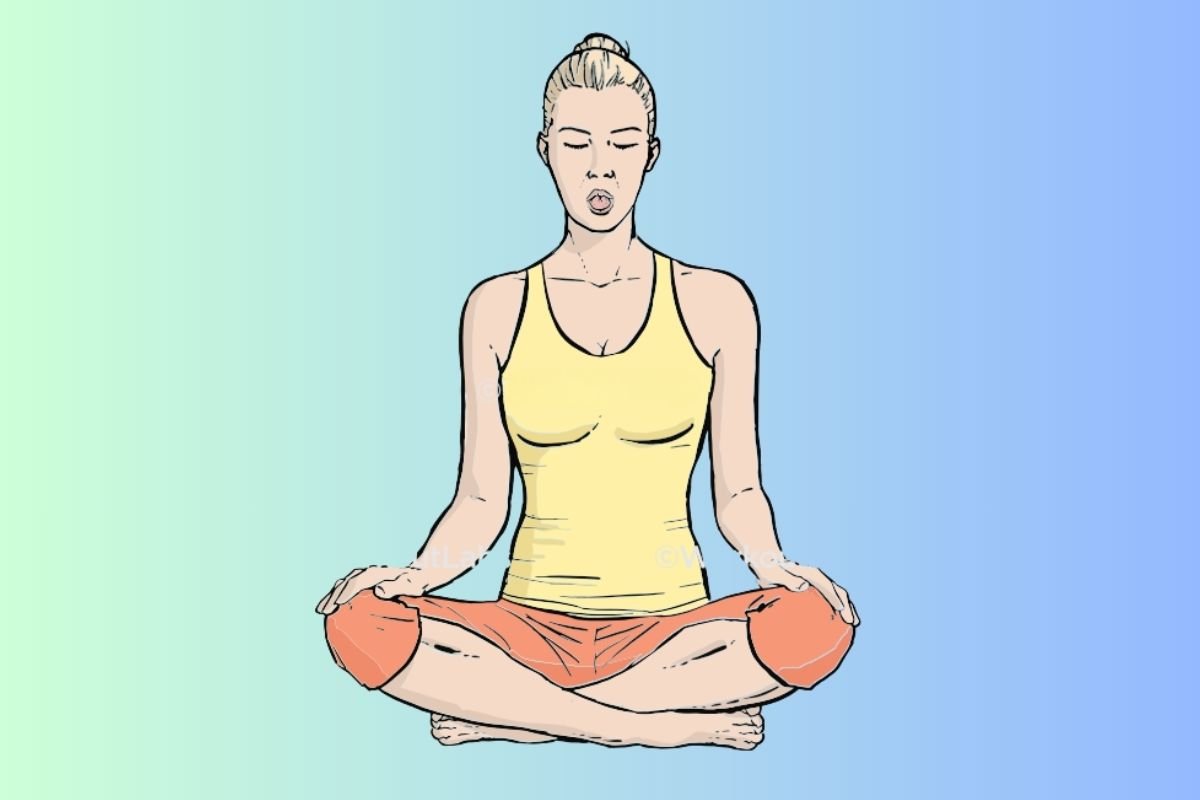
In yoga, the breath is more than oxygen. It is prana, the vital force that animates body and mind. Just as a storm can be calmed by gentle rain, the inner heat that Ayurveda calls pitta dosha can be balanced by cooling practices like Sheetali Pranayama and Sheetkari Pranayama.
Physiologically, these breaths lower body temperature, slow the heart rate, and activate the parasympathetic nervous system, the body's rest-and-digest mode. In the yogic view, they invite the moon's cooling energy, chandra nadi, to rise and balance the heat of ambition, anger and restlessness.
How to Practice Sheetali Pranayama
This is the classic cooling breath, sometimes called the rolled-tongue breath.
- Sit comfortably, spine tall, shoulders relaxed.
- Roll your tongue into a tube. If you cannot roll your tongue (it is a genetic trait, not a skill), move to Sheetkari below.
- Inhale slowly through the rolled tongue, feeling the cool air pass over its wet surface.
- Close your mouth and exhale softly through the nose.
- Repeat for 8 to 10 rounds.
The Sister Practice: Sheetkari Pranayama
When rolling the tongue is not possible, or you want a different texture of breath, Sheetkari offers the same cooling essence in another form.
- Gently press your teeth together and part your lips slightly.
- Inhale through the gaps between your teeth. A soft hissing sound may arise.
- Close your mouth and exhale through the nose.
This practice cools the palate and jaw, easing tension and heat in the head. Classical yogic texts describe Sheetkari as bestowing peace, beauty and steadiness.
When and Why to Practice
Both are best practiced during warmer months or when you feel overheated, physically or emotionally: after strong asana sessions, during menstrual cycles or hot flashes, or when stress and irritability feel high.
Avoid practicing in cold weather, or if you have asthma, sinus congestion or low blood pressure, since both breaths naturally cool and slow the system.
Frequently Asked Questions
Can beginners practice Sheetali pranayama daily?
Yes. Start with 5 to 10 rounds in the morning or after practice, and avoid cold or windy conditions.
What is the difference between Sheetali and Sheetkari?
Sheetali uses a rolled tongue to draw in air; Sheetkari draws air between the teeth. Both calm the system, though Sheetkari tends to feel slightly gentler.
Is cooling pranayama useful for anxiety or sleep?
Yes. Both breaths activate the body's cooling response and ease the nervous system, making them well suited to practice before rest or meditation.
At Prakruti Yogashala, these breathing practices are taught as part of the pranayama curriculum across our 200-Hour Yoga Teacher Training and 300-Hour Yoga Teacher Training.