
2026-08-17
Awakening the Breath: An Introduction to Pranayama
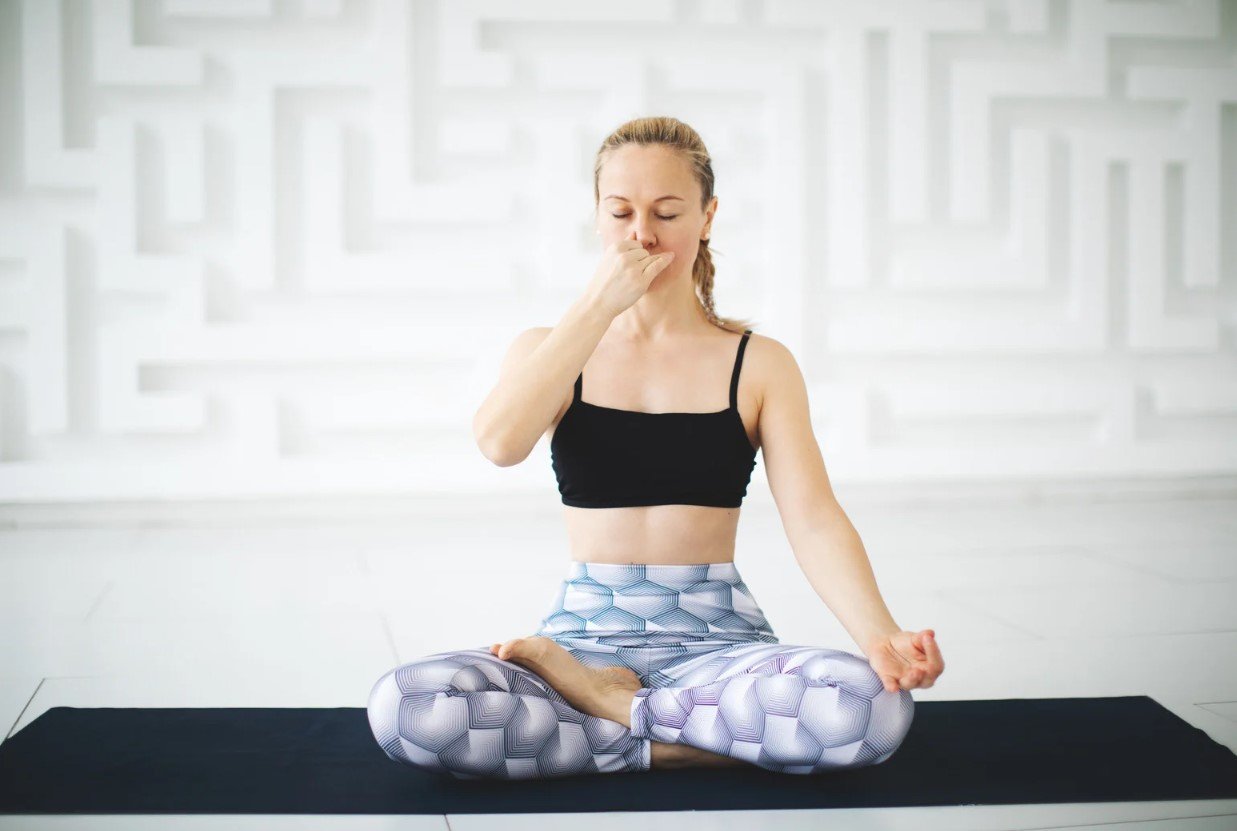
In Sanskrit, prana means life force and ayama means expansion or extension. Pranayama, then, is not merely a breathing exercise, it is the practice of consciously working with life energy through the breath. Ancient yogic texts describe it as the bridge between body and spirit: it refines the mind, balances emotion and awakens subtle awareness. At Prakruti Yogashala, every yoga journey begins here, with breath awareness, before postures or philosophy.
How We Teach Pranayama
We keep groups intimate, around twelve students per batch, so progression stays personal and safe. The approach moves in stages: breath awareness, noticing the natural rhythm without effort; balanced breathing (samavritti), matching the inhale and exhale; traditional techniques such as Anulom Vilom, Ujjayi, Kapalabhati and Bhastrika; bandhas and mudras as subtle tools to guide energy; and finally integration, carrying breath awareness into movement, meditation and daily life.
The Benefits of a Consistent Practice
Slow, conscious breathing activates the parasympathetic nervous system, the body's rest-and-digest mode, bringing a felt sense of calm. Improved oxygen flow revitalizes the body and eases fatigue. As the breath steadies, the mind quiets while staying alert. And a settled breath is what makes meditation unfold naturally, rather than being forced.
Common Questions
Can beginners join pranayama classes?
Yes. Teachers guide every student from the basics, with a gentle introduction to the practice.
How much practice is enough?
Even ten minutes a day can shift how you feel and think. Consistency matters more than duration.
What if I feel dizzy or breathless?
Pause and return to natural breathing. Pranayama should feel light, never forced, always listen to your body.
Pranayama is taught in depth across our 200-Hour and 300-Hour Yoga Teacher Trainings in Rishikesh.