
2026-08-17
Upside Down, Inside Out: The Power of Inversions
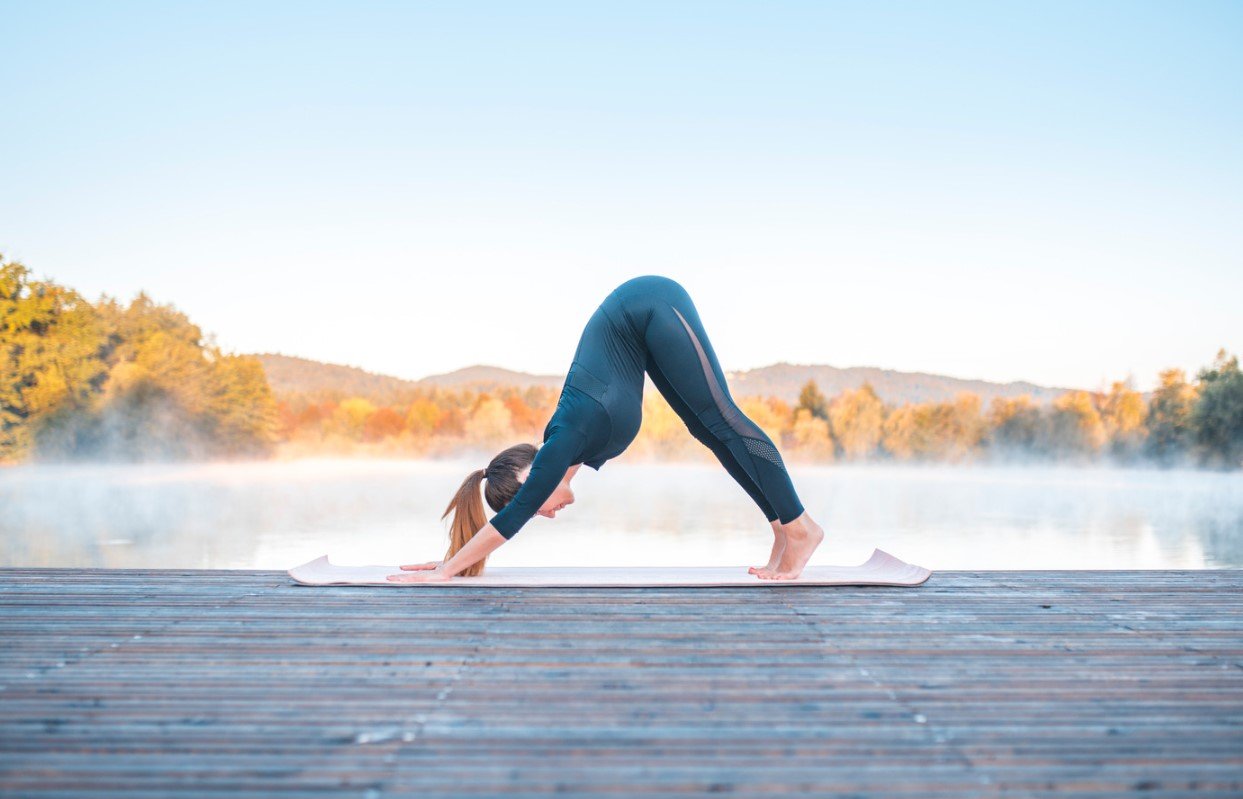
The first attempt at Sirsasana, Headstand, usually brings fear before the feet even leave the ground, damp palms, shallow breath, a clear inner voice insisting you're about to fall. Often you do, more than once. But somewhere in the falling and trying again, it becomes clear that the fear was never really the body's, it was the mind's. That is what inversions tend to reveal.
What Counts as an Inversion
Any pose where the head sits below the heart qualifies, from Downward Dog and Legs Up the Wall to Shoulderstand, Headstand and Handstand. Classical texts describe inversions as viparita karani, "the attitude of reversal," said to redirect energy from the lower body toward the crown. You do not need the philosophy to feel the effect, the world genuinely feels different upside down, quieter and more present.
The Courage It Asks For
Every inversion begins with a quiet kind of courage, not the dramatic kind, closer to a willingness to try. Lifting the legs off the ground requires trusting the arms, the breath, and your own ability to fall and get back up. For many students, an inversion is the first place they meet fear directly rather than around it, and realizing you are still okay once the feet leave the floor is yoga in a fairly pure form.
What Happens Physically
Inverting increases blood flow toward the brain and heart. Lifting into and holding an inversion strengthens the shoulders, arms and core stabilizing muscles. Gentler inversions like Legs Up the Wall and a supported Shoulderstand tend to activate the parasympathetic nervous system, easing anxiety and fatigue rather than adding to it.
Starting Gently
You do not need a handstand to get the benefit. Downward Dog lengthens the spine and builds confidence. Wide-Legged Forward Bend soothes the nervous system. Legs Up the Wall is a simple, restorative practice for tired legs or a restless mind, inversion is less a specific shape than a state, the moment the breath steadies and perspective softens.
A Short Sequence to Try
Begin in Downward Dog for five slow breaths, move into Dolphin Pose to feel the shoulders engage, rest in Child's Pose, then settle into Legs Up the Wall with the eyes closed for five to ten minutes. No rushing, no forcing, let gravity do the work.
Inversions and their safe progression are taught in our 200-Hour and 300-Hour Yoga Teacher Trainings. See also safe alignment in inversions.