
2026-08-17
Surya Namaskar Practice Guide: A Moving Prayer in 12 Steps
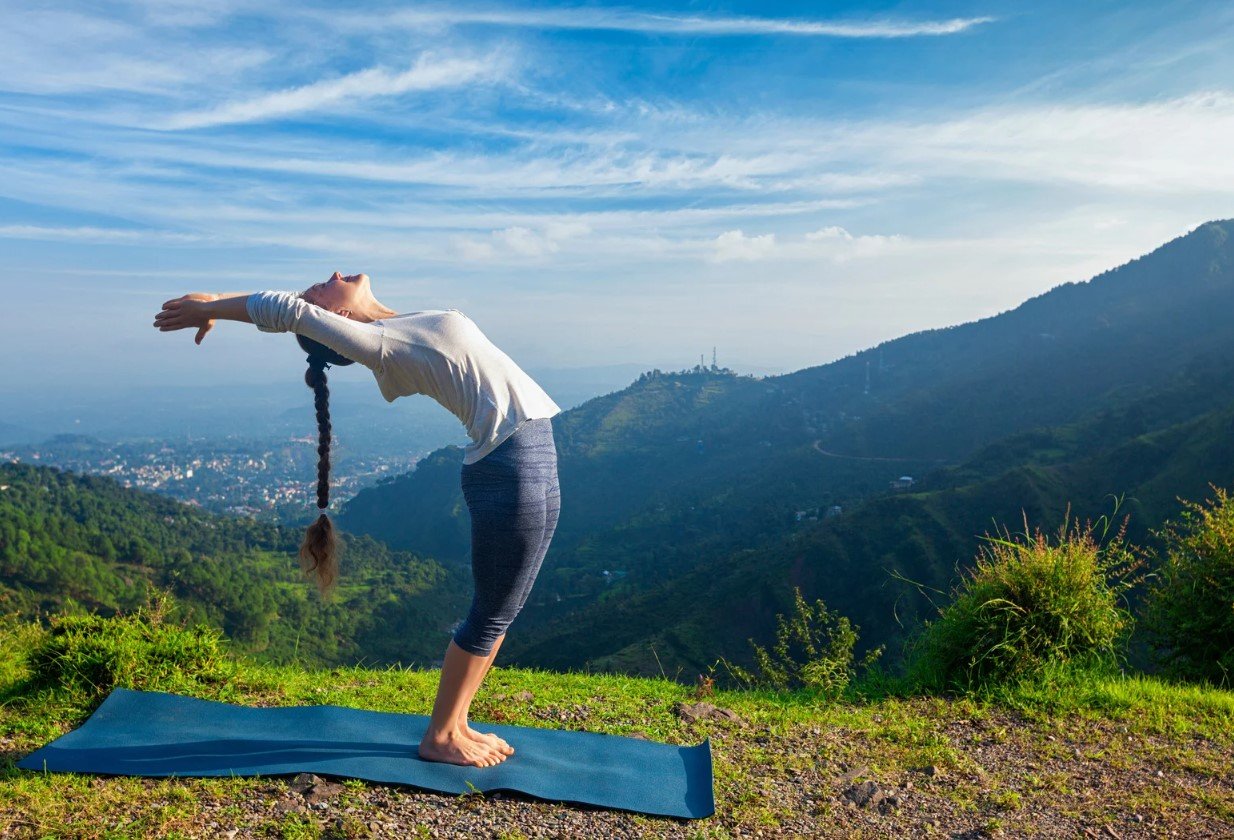
Flow through Surya Namaskar with breath and presence. A gentle guide to steps, rhythm, and the deeper gifts of this sun salutation.
A related practice in this library is Chandra Namaskara, along with Surya Namaskara as sadhana and the spiritual meaning of Surya Namaskara.
The First Time I Tried
The first time I attempted Surya Namaskar, I was so focused on getting it right that I forgot to breathe. My arms were stiff, my back complained, and I thought, how is this graceful for anyone? But then, in the stillness at the end, palms together at my chest, something shifted. A quiet glow, like my body had whispered welcome back.
That is the secret no one tells you: Surya Namaskar is not just a warm-up. It is a conversation with light, your body speaking in movement, your breath replying.
What Exactly Is Surya Namaskar?
You have probably heard it called Sun Salutation, but in truth, it is closer to a moving mantra. Twelve linked postures, each one carried by the breath, forming a circle of offering and receiving.
Yes, it stretches you, strengthens you, makes you sweat if you flow fast. But beneath the surface, something softer is happening: the mind clears, the heart steadies, energy begins to rise, like morning sunlight through curtains.
Walking Through the 12 Steps
Do not worry about perfection here. Think of it more like a dance you grow into.
- Prayer Pose (Pranamasana): hands at heart, feet rooted. Pause. Whisper a little gratitude.
- Raised Arms (Hasta Uttanasana): inhale, arms overhead, chest lifting, as if you are drinking in the sky.
- Forward Fold (Padahastasana): exhale, fold forward. Knees can bend. Let the exhale empty you out.
- Equestrian (Ashwa Sanchalanasana): step your right leg back. Spine long, gaze forward. A hint of courage.
- Plank (Dandasana): step back. Strong and steady, like you could hold the whole world for a breath.
- Eight-Limbed Pose (Ashtanga Namaskara): knees, chest, chin down. A small bow of humility.
- Cobra (Bhujangasana): inhale, heart open, shoulders soft. Not straining, just blooming.
- Downward Dog (Adho Mukha Svanasana): exhale, hips high, heels drifting toward the ground. A sigh of surrender.
- Equestrian, other side: step left foot forward, breath steady, gaze soft.
- Forward Fold: return. Empty again, like clearing space inside.
- Raised Arms: inhale, rise, heart stretching upward.
- Prayer Pose: exhale. Back where you began, but not the same.
Check out our 300-hour yoga teacher training course.
The Benefits You Can't Measure
Sure, we could talk about calorie burn, flexibility, and toned muscles. But truthfully, the gifts that stay with you are subtler: the way your breath feels like a metronome for the soul, how folding forward makes the mind hush, just for a moment, the gentle courage you borrow from each backbend.
And if you practice at dawn, there is magic in syncing with the sun's rhythm. A quiet reminder: you are part of something vast and glowing.
A Few Common Questions
How many rounds should I do? Start with three. Some mornings that is enough, some mornings you will surprise yourself and flow through twelve. Let your body decide.
Can beginners practice this safely? Absolutely. Bend your knees, drop them in plank, move like water instead of stone. Yoga is not about performance, it is about presence.
Does it have to be at sunrise? Traditionally, yes, but honestly, whenever you can carve out five minutes of stillness, that is sunrise enough.
If Surya Namaskar is already part of your practice, maybe this is your reminder to let it feel like prayer again. If it is new, let it be simple. The breath leads, the body follows, the heart listens.
At Prakruti Yogashala, Yoga in Rishikesh, we love guiding practitioners deeper into Surya Namaskar, not just as movement, but as a ritual of awakening. If you feel called, explore our 200-hour yoga teacher training course and let this ancient sequence become your daily hymn to the sun.
A useful bridge from this topic is standing asanas.