
2026-08-17
Preparing for Pranayama: Sitting, Awareness and Safety
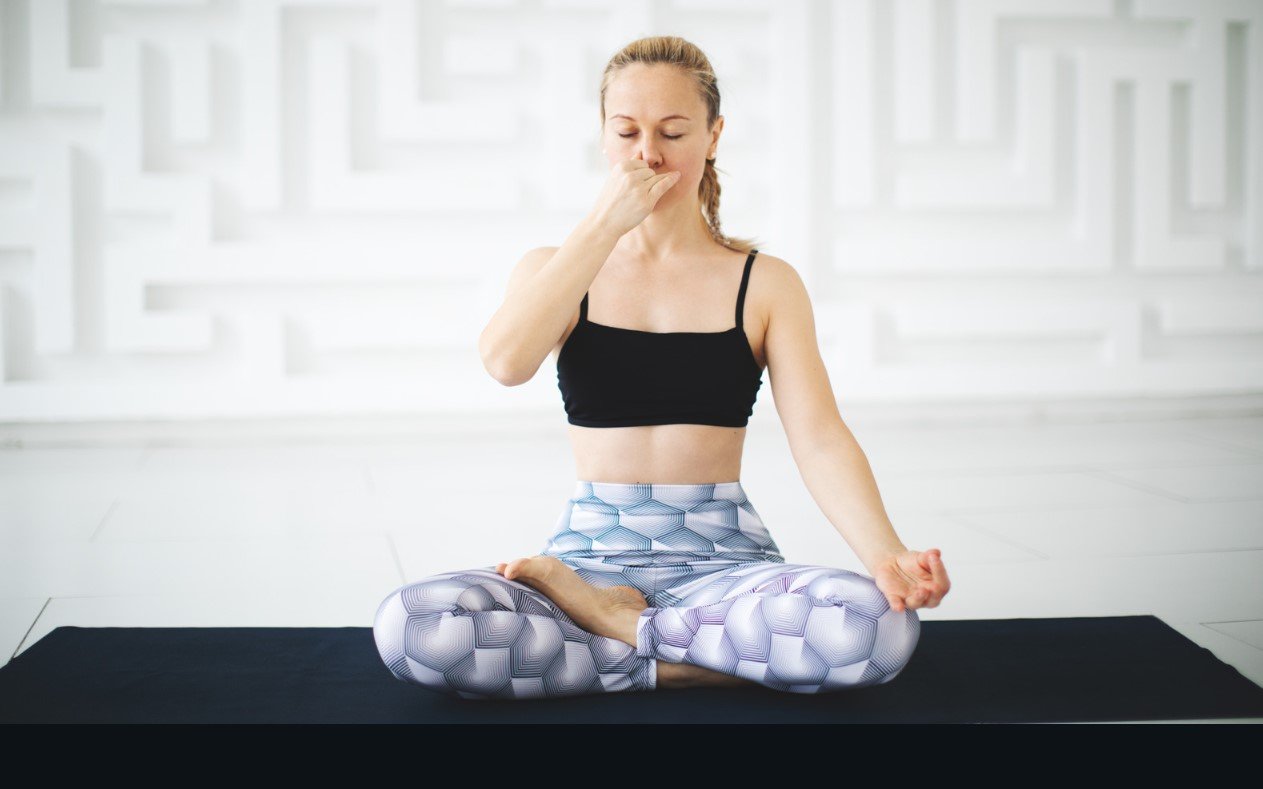
Pranayama becomes steady and transformative when the groundwork is right. This is where to start.
Setting the Scene
Choose a spot you can return to daily. Open a window if the air feels stale, but avoid direct wind from a fan. Early morning is classic, though consistency matters more than perfection. Practice on a relatively empty stomach, two to three hours after a meal. Silence your phone: a single notification can undo a settled mind.
Finding Your Seat
The best posture is the one you can hold without fidgeting. Sit on a firm cushion so the hips are slightly higher than the knees, lengthen the spine from base to crown, relax the jaw and eyelids, and rest the hands on the thighs. A chair works just as well: feet flat and hip-width apart, sit bones anchored at the front edge of the seat. A folded blanket under the sit bones can ease a tired lower back.
A Minute of Awareness First
Close the eyes and notice the natural breath as it is, without adjusting it. After 60 to 90 seconds, scan for tension in the forehead, tongue, shoulders, belly and pelvic floor, and soften slightly. This alone reduces the tendency to over-effort once technique begins.
Starting With the Basics
A few rounds of simple diaphragmatic breathing prepare the body for everything that follows. Place one hand on the lower ribs and one on the upper chest. Inhale through the nose and feel the lower hand expand as the ribs widen, then exhale slowly and let the ribs settle back in, keeping the upper hand nearly still. Ten to twenty quiet rounds is a good starting measure.
Gentle Methods to Begin With
Sama Vritti, the even-count breath: inhale for a count of four and exhale for four, progressing to five or six once it feels easy. Nadi Shodhana (alternate nostril breathing) without retention: inhale through one side and exhale through the other, then reverse, using the same gentle count throughout.
Precautions Worth Knowing
Avoid straining. If you are forcing sound, lifting the shoulders, or gasping at the top of the breath, ease back by one count. Breath retentions (kumbhaka) are advanced work; if you are new to pranayama, or have high blood pressure, heart concerns, glaucoma, or are pregnant, skip breath holds and work with a teacher when you are ready to progress. Avoid forceful practices such as Kapalabhati or Bhastrika if you feel anxious, overheated or dizzy, or during the first heavy days of your menstrual cycle. Stop immediately if you notice tingling, spinning, chest pain, headache, nausea or panic, and return to natural breathing. Breathe through the nose rather than the mouth unless a specific therapeutic protocol calls for otherwise.
If you are managing a cardio-metabolic or respiratory condition, or have a relevant trauma history, consult a qualified teacher or clinician and keep the practice gentle and non-retentive.
Aftercare
When you finish, sit for 60 to 90 seconds with no technique at all, letting the breath find its own rhythm. This integration period is where the nervous system learns that it is safe. Only then open the eyes, and move slowly into whatever comes next.
This preparation is taught in full, alongside the pranayama techniques it supports, in our 200-Hour Yoga Teacher Training.