
2026-08-17
Meditation Asanas: Finding the Seat That Holds You
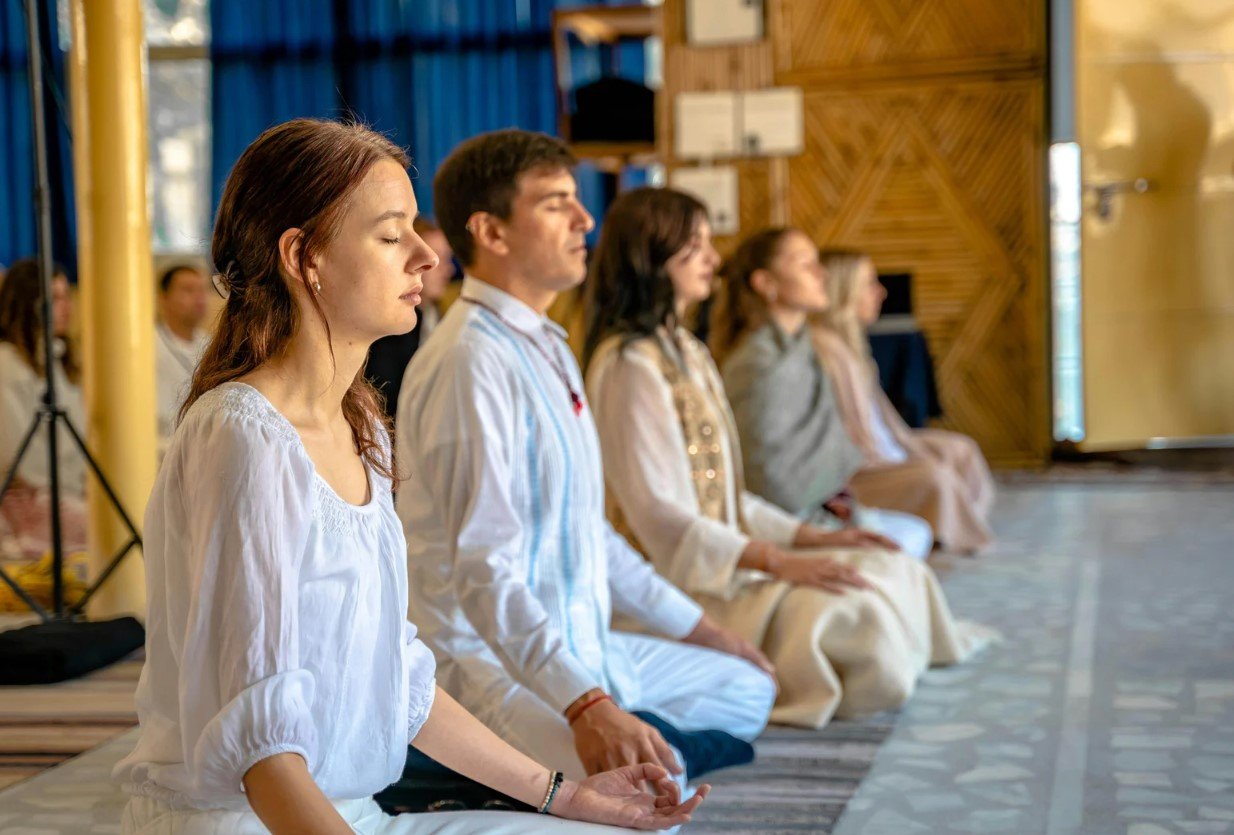
I used to think meditation was just about closing the eyes and going in. Easy enough, right? But the moment I sat down, reality hit: knees aching, spine slumping, mind screaming, when will this be over?
This practice sits in the same library as the yogic approach to advanced poses.
That was my wake-up call: posture matters. The way you sit is not some side detail, it is the foundation. A meditation asana is like the bowl that holds water. If the bowl is cracked or shaky, it is hard to taste the stillness.
Let us talk about how to find your bowl, the seat that feels steady, supportive, and sacred.
Why Posture Matters More Than We Realize
Ancient yogis described a good seat with two simple words: sthira (steady) and sukha (easeful). Modern science surprisingly agrees. Some studies show that upright, well-supported postures help people stay alert, regulate mood, and even reduce anxiety, not because the pose itself is magic, but because comfort frees up attention.
Think of it this way: if your body is busy complaining, your mind is busy listening. A comfortable seat lets both body and mind exhale.
Explore our 300-hour yoga teacher training in Rishikesh.
Which Meditation Asana Is Right for Me?
Forget the pressure to sit in a perfect Lotus. That is a myth that keeps more people away from meditation than it helps. Try these instead, and notice which one feels most like home.
- Sukhasana (Easy Pose): Cross-legged with hips on a cushion. Simple, soft, and beginner-friendly.
- Burmese or Swastikasana: Feet in front of each other rather than stacked, less hip strain, still stable.
- Ardha Padmasana or Padmasana: Half or full Lotus. Sacred, yes, but do not force it. If knees complain, skip.
- Vajrasana (Thunderbolt): Kneeling, sitting back on heels. Traditionally believed to aid digestion and focus, wonderful if knees are happy with it.
- Chair or meditation bench: Totally allowed. A tall spine matters more than crossed legs.
Props: Your Quiet Best Friends
Here is a secret: almost no one sits on the bare floor without help. A cushion under your sit bones tilts the pelvis forward, keeping the spine long. A folded blanket under the knees can make Sukhasana suddenly delightful.
Props are not cheating, they are wise. Even experienced teachers use them because they make stillness sustainable.
What Research Actually Says
Yoga practices that weave movement, breath, and meditation consistently improve mood and even markers of brain health. But when it comes to specific meditation asanas, evidence is thinner. There is tradition, some small studies, and plenty of lived wisdom.
So let us be honest, it is less about one correct pose and more about the posture you can actually maintain without fighting your body. That is the one that will let you sink deeper.
A Gentle Practice Outline
- Set up. Place a cushion so the hips are slightly higher than the knees.
- Align. Ears over shoulders, shoulders relaxed, spine long.
- Hands. Rest on your knees or in your lap. If you like, try Chin mudra (thumb and index finger).
- Time. Start with 5 to 7 minutes. Add a few minutes each week.
- Exit. If numbness creeps in, do not be a hero. Shift, stretch, reset.
Common Hurdles, and How to Soften Them
Knee pain? Use a chair or kneeling bench. No shame.
Low back rounding? Add more height under the hips.
Restless mind? Totally normal. Try shorter sits more often.
Pins and needles? Uncross gently, let blood flow back, begin again.
FAQs
Do I have to be flexible to meditate? Not at all. Flexibility helps, but comfort is the real goal. Props will become your best allies.
Is Lotus the highest meditation posture? It is traditional and symbolic, yes. But your depth of meditation is measured in presence, not posture points.
How long should I sit? Start small, even 5 minutes counts. With consistency, your body adjusts and your seat lengthens naturally.
A Softer Reminder
Sometimes we chase the perfect pose as if stillness lives only there. But stillness is not in the angle of your knees. It is in the way your breath meets the moment.
The seat is not the goal. The seat is the doorway.
If this sparked something in you, maybe a longing to sit with more ease, we warmly invite you to explore our yoga courses at Prakruti Yogashala Rishikesh. We will guide you in finding a seat that feels like home, so meditation becomes less of a struggle and more of a natural resting place. Once the body rests, the mind can finally listen.
To learn more, visit the yoga school in Rishikesh and join our 200-hour yoga teacher training in Rishikesh.
A natural next practice to read is relaxation asanas, or the Padmasana group of asanas.