
2026-08-17
Foundational Mudras: Gyana, Chin and Shambhavi
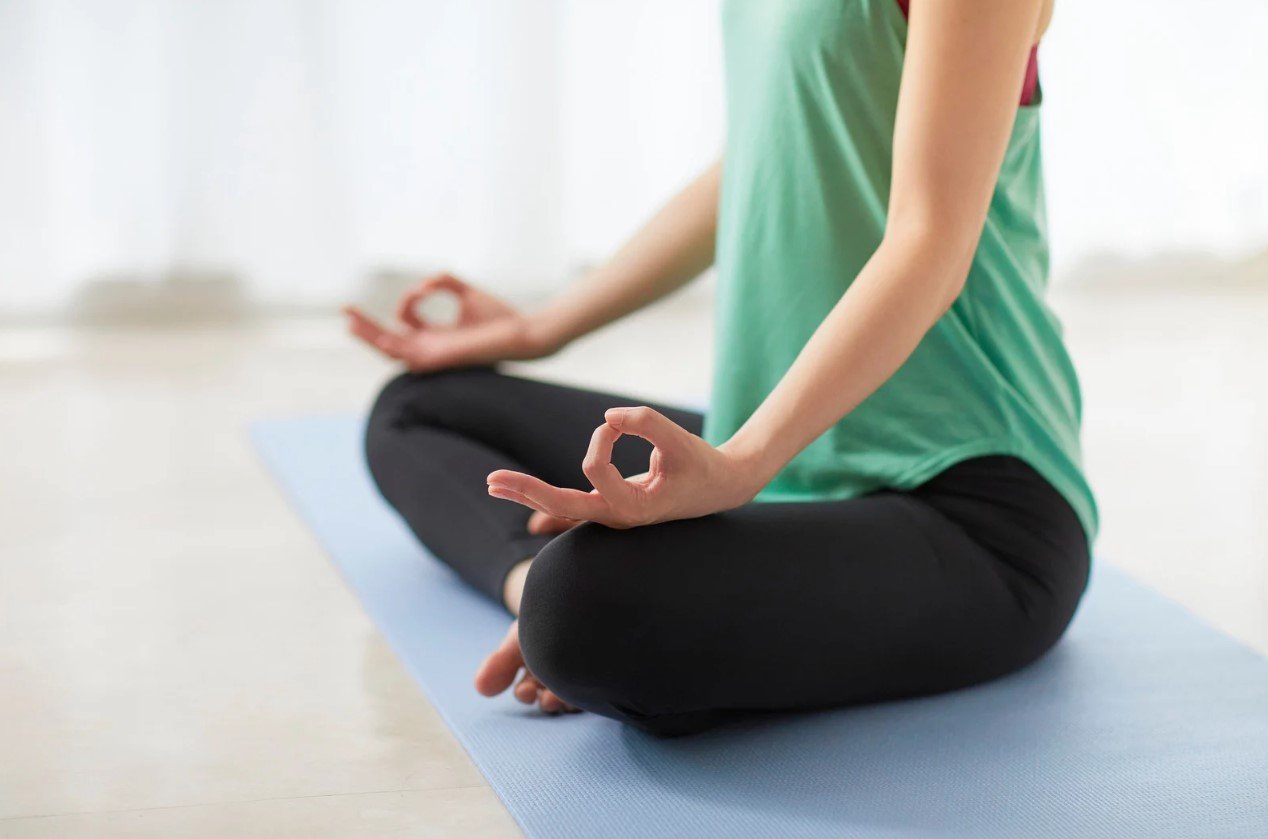
In yoga, the way we place our hands or direct our gaze is more than symbolism. It is a way of shaping energy and awareness. Among the most foundational gestures are Gyana Mudra, Chin Mudra and Shambhavi Mudra, quiet and almost invisible practices that can meaningfully change the quality of the mind.
Gyana Mudra: The Seal of Inner Wisdom
Gyana, or Jnana, means knowledge. This mudra represents the meeting of individual consciousness with the universal. When the index finger touches the thumb, the circle formed symbolizes unity. The remaining three fingers represent the three gunas, sattva, rajas and tamas, the qualities of nature that shape behaviour and experience.
How to practice: sit comfortably, rest the backs of the hands on the knees, and touch the tips of the thumb and index finger together lightly, letting the other three fingers relax. Keep the shoulders soft and the breath steady.
Chin Mudra: The Gesture of Conscious Connection
Chin Mudra looks identical to Gyana Mudra, but the palms face upward instead of down. Gyana Mudra, palms down, tends to feel grounding and stabilizing; Chin Mudra, palms up, feels more open and receptive. It is often used in meditation and pranayama, since it subtly lengthens the breath and promotes receptivity.
Shambhavi Mudra: The Inner Gaze
Where the first two mudras use the hands, Shambhavi Mudra uses the eyes and mind. Described in the Hatha Yoga Pradipika and the Gheranda Samhita, it directs awareness toward the space between the eyebrows, the ajna chakra. In yogic science, it is said to balance the two hemispheres of the brain and refine concentration in preparation for meditation.
How to practice: sit with the spine straight and the face relaxed, and without moving the head, slowly and softly direct the gaze toward the point between the eyebrows. The effort should be minimal. If tension arises, close the eyes and rest.
A Note of Caution
Mudras are not a performance. Forcing Shambhavi or locking the eyes can create tension. People with eye strain, high blood pressure or neurological conditions should practice Shambhavi under guidance. The hand mudras are gentle and safe for almost everyone.
These foundational mudras are taught as part of the meditation and pranayama curriculum in our 200-Hour Yoga Teacher Training.