
2026-08-17
Finding Stillness in Motion: The Inner Journey of Balancing Asanas
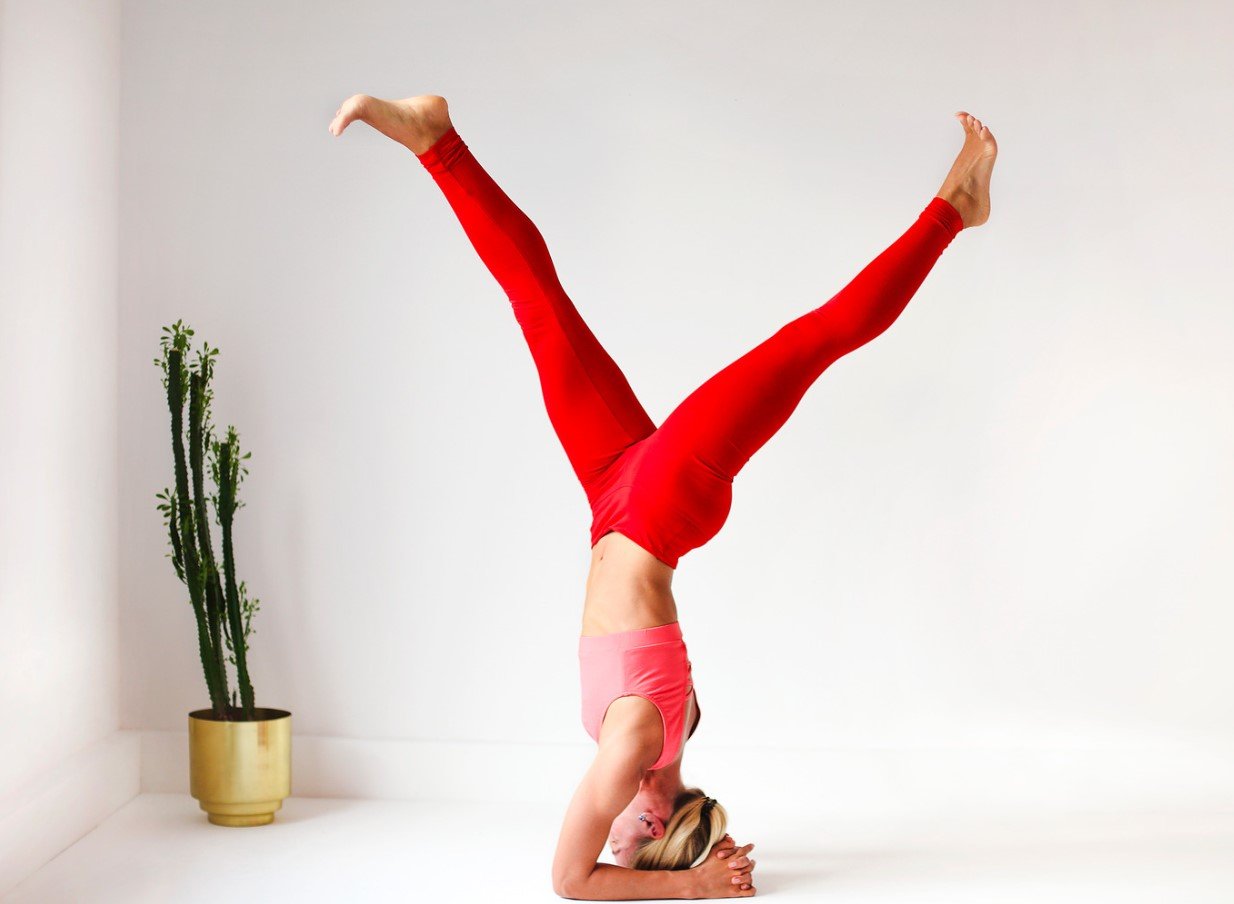
It is strange how a simple pose, standing on one leg, can feel more intense than an entire sweaty vinyasa flow. You stand there trying to look calm while the leg shakes, and inside there is a quiet panic: why can't I just hold it? That is the moment it becomes clear that balance has less to do with the body than with the mind.
What the Wobble Is Actually Teaching
The instant one foot lifts, something wakes up, not a yogic glow, more like mental noise. Don't fall. Everyone else looks stable. I should be better at this by now. Balance exposes exactly where the mind is in that moment, regardless of how flexible or experienced you are. The wobble is not failure; it is closer to a teacher, asking whether you can keep breathing even when things are not steady.
Balance Is a Gentle Sway, Not Stillness
Watch any tree, even the oldest, most deeply rooted ones, they sway when the wind moves. They do not resist the motion, they move with it: rooted, but not rigid. That is what balance in a pose is actually asking for. Grounded but responsive, listening rather than holding.
The Instructions Underneath the Instructions
A teacher might say press down, engage the core, find your drishti. Underneath those cues is something softer: find the ground beneath your foot and trust it, let the breath hold you, and be willing to be seen while wobbling. Often the real fear is not falling, but being seen in the act of nearly falling.
The Moment It Changes
There is usually one breath where something loosens. You are still wobbly, still imperfect, but fully present, not in yesterday's practice or tomorrow's hope, just there, on one foot, breathing. Patanjali did not ask for a perfect posture. Sthira sukham asanam: steady and easeful, not stiff and finished. Even with the wobble, that is enough.
Balance work is part of the asana curriculum in our 200-Hour and 300-Hour Yoga Teacher Trainings. See also the quiet power of standing asanas.